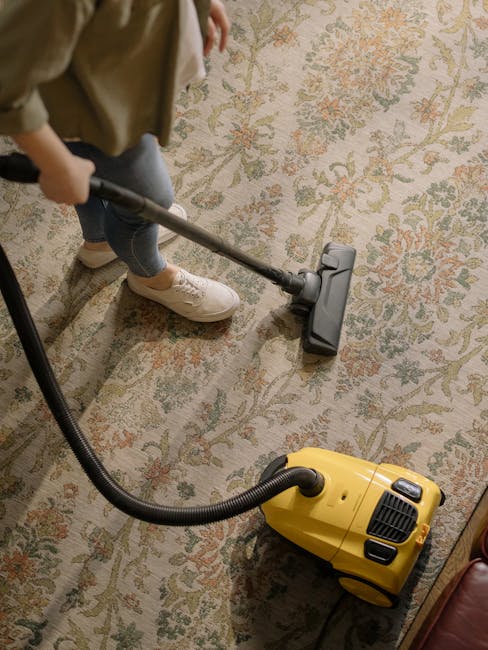
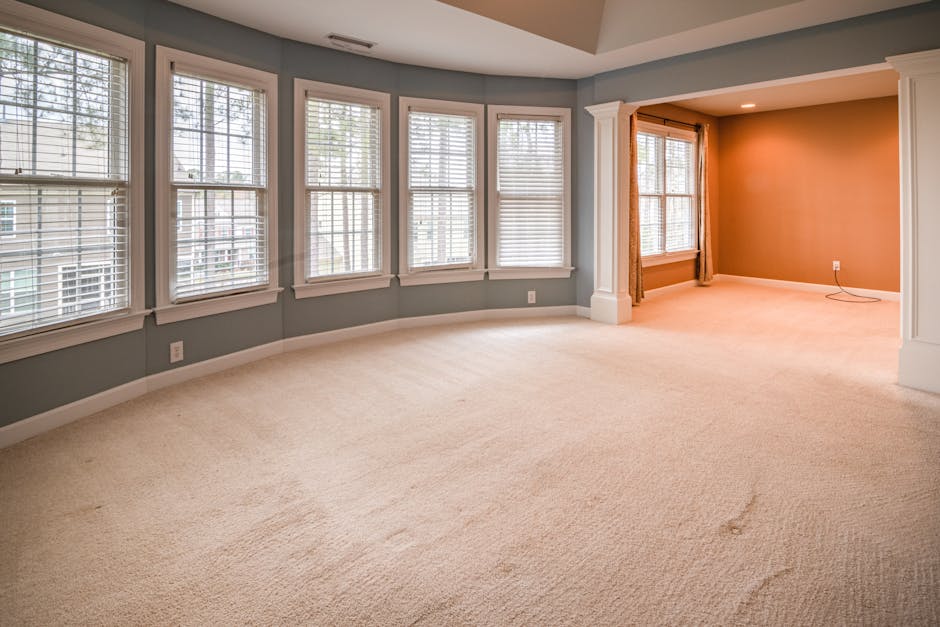
Carpet cleaning SW1 before sale staging case study
If you are preparing a property for viewings, the carpets can quietly make or break the first impression. In a busy SW1 sale, where buyers often decide within seconds whether a home feels cared for, carpet cleaning SW1 before sale staging case study work is not a cosmetic extra. It is part of the presentation strategy. A clean, even, fresh-looking floor helps rooms read as brighter, larger, and more move-in ready.
That sounds simple, but in practice it takes judgement. You need to know what stains can be lifted, how much drying time to allow, and when a deeper clean is worth doing before photography or staging furniture arrives. This article walks through the process in a practical way, with a real-world case study style structure, so you can see what usually matters, what to avoid, and how to plan it properly. To be fair, it is one of those jobs that looks invisible when done well. That is the point.
For readers comparing cleaning options, it may also help to look at broader services such as deep cleaning, professional carpet cleaning, or even one-off cleaning when the whole property needs a reset before it goes on the market.
Expert summary: If the property is being staged for sale, carpet cleaning should be timed after decluttering and before final styling, with enough drying time built in so the home feels fresh rather than rushed.
Table of Contents
- Why Carpet cleaning SW1 before sale staging case study Matters
- How Carpet cleaning SW1 before sale staging case study Works
- Key Benefits and Practical Advantages
- Who This Is For and When It Makes Sense
- Step-by-Step Guidance
- Expert Tips for Better Results
- Common Mistakes to Avoid
- Tools, Resources and Recommendations
- Law, Compliance, Standards, or Best Practice
- Options, Methods, or Comparison Table
- Case Study or Real-World Example
- Practical Checklist
- Conclusion
- Frequently Asked Questions
Why Carpet cleaning SW1 before sale staging case study Matters
In SW1, presentation tends to be judged very quickly. Buyers viewing a flat in Westminster, Pimlico, Belgravia, or nearby central London areas are usually looking for signs that the property has been cared for, and carpets are one of the biggest visual clues. A tired carpet does not just look dirty. It can make a room feel older, darker, and more expensive to renovate than it really is.
That matters because staging is about reducing friction. When a buyer walks in, you want them noticing light, proportion, and layout, not an old traffic lane down the hallway or a faint coffee ring by the sofa. Carpet cleaning supports that goal by removing the small distractions that break the illusion of a "ready to move in" home. And yes, people absolutely notice. Even if they do not mention it aloud, they often feel it.
There is also a practical angle. In a pre-sale stage, you may only have a narrow window between decluttering, minor repairs, photography, and viewings. Carpet cleaning can fit neatly into that window if planned well. It is often one of the highest-return presentation tasks because it changes how the whole room feels without requiring major work. Compared with replacing flooring, it is quicker, less disruptive, and usually a lot more sensible if the carpet is still in good condition overall.
For properties where the sale prep extends beyond carpets, pairing this with domestic cleaning or window cleaning can sharpen the overall result. Clean carpets, clear light, and tidy surfaces work together. One alone helps; all three create a proper staging lift.
How Carpet cleaning SW1 before sale staging case study Works
The process is straightforward on paper, but the detail matters. A good pre-sale carpet clean normally starts with a walkthrough. The cleaner identifies fibre type, stain risk, wear patterns, access issues, and any delicate areas that should be treated lightly. In older SW1 properties, this step is especially useful because you may find mixed carpet ages, awkward stair runs, or previous DIY spot treatments that have not aged gracefully.
Next comes preparation. Loose debris is removed, edges are checked, and the most visible stains are pre-treated. This is where common mistakes often begin, because some stains look dramatic but are actually minor, while others seem faint and have already set into the pile. The cleaner has to read the carpet, not just spray and hope. Let's face it, hope is not a technique.
After that, the cleaning method is chosen based on the fibre and condition. Hot water extraction is widely used for deeper soil removal when the carpet and underlay can handle moisture. Low-moisture methods may suit more delicate or time-sensitive settings. Drying time is then planned around the viewing schedule, which is a lot more important than many sellers realise. A carpet that is technically clean but still damp can make a staging plan awkward fast.
Finally, the room is reset for presentation. Pile is groomed where appropriate, furniture legs are checked for marks, and the overall finish is assessed in natural light. At this point, a staged property should feel calm and clean, not like a cleaning job is still happening. That distinction is subtle. Buyers feel it though.
Key Benefits and Practical Advantages
Carpet cleaning before sale staging is not just about stain removal. It affects perception, timing, and sometimes the whole sales narrative of a property.
- Better first impressions: Fresh carpets can make an interior feel brighter, cleaner, and better maintained.
- Improved photography: Estate photos usually look more balanced when carpet colour is even and less visually noisy.
- Stronger room presentation: Clean flooring helps staged furniture and accessories stand out rather than compete with stains.
- Reduced buyer distraction: Small marks, odours, and traffic lanes stop drawing attention away from the property itself.
- Lower perceived maintenance risk: Buyers often associate clean carpets with a home that has been looked after more generally.
- More efficient staging spend: Carpet cleaning is often cheaper and faster than replacing flooring, especially when the carpet is structurally fine.
There is also an emotional benefit, which people often overlook. A clean carpet can make a property feel less "lived in" and more sale-ready. That in-between feel matters. Not empty, not overdone, just ready.
For a broader property refresh, many sellers also consider upholstery cleaning or hard floor cleaning so the whole visual field feels consistent. If one surface looks immaculate and another looks tired, the effect can be oddly uneven. Consistency wins.
Who This Is For and When It Makes Sense
This approach makes sense for homeowners, landlords, letting agents, and property sellers who want to improve a listing without getting drawn into unnecessary renovation. It is especially useful if the carpet is broadly sound, but has visible signs of everyday use: traffic lanes, pet marks, drink spills, or flattened areas near sofas and doorways.
It also makes sense when the sale is happening in a competitive market and the property needs to stand out without over-investing. In SW1, where many homes are compact, elegant, and judged on atmosphere as much as size, the flooring can influence how generously a room is perceived. A lighter, fresher carpet can make a hallway seem less narrow and a reception room feel less cramped. That is not magic. It is just visual psychology doing its thing.
On the other hand, if the carpet is structurally worn, threadbare, or badly damaged, cleaning alone will not solve the issue. You would be better off weighing repair, replacement, or simply managing expectations honestly. Buyers are not looking for perfection, but they are very good at spotting a cover-up.
This is also relevant for sellers dealing with a broader property clear-out before staging. If the home needs major decluttering or leftover items removed, a service such as house clearance can help create the blank canvas required before carpets are cleaned and the styling starts.
Step-by-Step Guidance
- Declutter first. Remove as much loose furniture, boxes, and floor clutter as possible. Cleaning around obstacles is slower and less effective.
- Inspect the carpet in daylight. Look for wear patterns, stains, and any damaged areas. Early morning light can be especially revealing, slightly unforgiving really.
- Vacuum thoroughly. This is not a quick pass. A proper vacuum lifts dry soil before moisture is introduced.
- Spot-test delicate areas. If there are old stains or sensitive fibres, test treatment carefully so you do not create a bigger mark.
- Pre-treat trouble spots. Coffee, wine, grease, and pet marks often need targeted attention before the main clean.
- Choose the right method. Match the approach to the carpet fibre, drying window, and condition of the room.
- Plan around staging. Cleaning should happen with enough time for the carpet to dry and the room to be reset neatly.
- Review the finish in natural light. If something still looks patchy, it is better to catch it before viewings start.
- Keep the room fresh. A clean carpet works best with a clean overall environment, so do not ignore skirting boards, windows, or surfaces nearby.
If the sale prep is more than a one-room job, it may be worth combining carpet work with end of tenancy cleaning standards or a broader deep clean. Not because the property is leaving a tenancy, obviously, but because the attention to detail is similar: the place has to feel properly looked after.
Expert Tips for Better Results
First, do not leave carpet cleaning until the last hour before photography. That is a classic mistake. If you are unlucky with drying time, you end up opening windows, shifting furniture too soon, or photographing a room that still looks slightly set up in a hurry. Not ideal.
Second, use the carpet clean to support the room's staging story. If the interior design leans warm and classic, a clean, plush carpet helps. If the room is meant to feel airy and minimalist, removing any visual clutter from the flooring becomes even more important. The carpet should disappear into the presentation, not dominate it.
Third, think about odour as much as appearance. A room can look fine and still feel stale. This is particularly true in properties that have been occupied for a long time or closed up during refurbishment. Fresh carpet fibres can change that first inhale when someone steps inside. Very subtle, but powerful.
Fourth, remember the "camera test". If a mark will show in listing photos, it should probably be addressed. Estate photography is less forgiving than a walkthrough because the lens tends to flatten the room and sharpen contrast. A mark you barely notice in person can suddenly look like a headline in the picture.
Finally, keep things sensible. Not every carpet needs aggressive treatment. Sometimes the best result comes from careful cleaning, targeted stain work, and leaving a few signs of life in a property that is still meant to feel like a home. Overcleaned can look strange too. Strange is not the goal.
For landlords and sellers who care about the bigger presentation picture, services like oven cleaning and patio cleaning may also be worth considering if the property includes these areas and they appear in listing photos or viewings.
Common Mistakes to Avoid
The most common error is cleaning too late. A rushed carpet clean can leave damp fibres, visible recovery lines from furniture, or a room that has not been reset properly. If the staging schedule is tight, build buffer time in. Always.
Another mistake is treating every stain the same. Coffee, food grease, pet accidents, and old water marks behave differently. Using the same approach everywhere can cause rings, patchiness, or stubborn residue. A little judgement goes a long way here.
People also sometimes over-wet the carpet because they think more moisture means more cleaning power. It does not. Too much water can extend drying, leave a musty smell, or make the pile look uneven once dry. Nobody wants that before a viewing on a rainy Thursday afternoon in London.
Then there is the staging mismatch. A beautifully cleaned carpet can still lose impact if there is dust on skirting boards, smudges on glass, or clutter under beds. The room has to work as a whole. If one part is pristine and the rest is not, buyers notice the imbalance instead of the improvement.
And one more: forgetting to verify the fibre type. Wool, synthetic blends, and older fitted carpets may need different treatment. If you are unsure, check carefully before choosing a method. A measured approach is safer than a heroic one.
Tools, Resources and Recommendations
Good results usually depend on a sensible toolkit rather than flashy products. In a pre-sale context, the essentials are fairly plain:
- strong vacuuming equipment with a clean filter
- spot treatment products suitable for the fibre type
- microfibre cloths for blotting rather than rubbing
- protective pads for furniture legs
- airflow planning for drying
- light fragrance control so the room smells fresh, not perfumed
For sellers who want a broader reset, a one-off clean can be a practical way to coordinate multiple tasks in one visit. That might include carpet care, surfaces, and the general finishing touches that help the property feel sale-ready rather than just "cleaned". If the property also has rugs or upholstered furniture in view, rug cleaning and upholstery cleaning can help unify the look.
It can also be helpful to plan the order of operations. In most cases: declutter, clean, dry, style, then photograph. Simple. But easy to get backwards when a sale deadline is breathing down your neck.
Law, Compliance, Standards, or Best Practice
For a property sale, there usually is not a special legal rule that says carpets must be professionally cleaned. Still, best practice matters because sellers and agents have a duty to avoid misleading presentation. If a carpet is badly stained, masked, or partially cleaned in a way that creates an unrealistic impression, that can cause friction later. Honesty is the safer route, even in a polished staging plan.
From a practical UK cleaning perspective, professional cleaners typically work with risk awareness around slip hazards, moisture control, and chemical handling. That is especially relevant in occupied homes, flats with limited ventilation, and buildings where access is tight. Good practice means clear communication, careful product selection, and sensible drying management.
If you are arranging cleaning in a property with children, pets, or sensitive surfaces, it is wise to ask about methods and ventilation needs in plain language. You do not need technical jargon. You need clarity. The cleaner should be able to explain what will happen, how long it will take, and when the room will be safe to use again in everyday terms.
For service expectations, transparency around pricing and scope also matters. If you are comparing options, it helps to review pricing and quotes, along with practical information on insurance and safety and the company's health and safety policy. That way you are not guessing.
Options, Methods, or Comparison Table
Different carpet cleaning methods suit different sale-staging scenarios. The right choice depends on the carpet, the deadline, and how much soil has built up. Here is a simple comparison.
| Method | Best for | Strengths | Limitations |
|---|---|---|---|
| Hot water extraction | Heavily used carpets with visible soil | Deep cleaning, good for lifting general dirt and some stains | Needs proper drying time |
| Low-moisture cleaning | Time-sensitive staging plans | Faster turnaround, less disruption | May be less effective on deeply embedded soil |
| Spot treatment only | Minor touch-ups before photography | Quick and targeted | Not enough for a whole-room refresh |
| Replacement | Carpets that are structurally worn or permanently damaged | Can transform the room completely | Higher cost, more time, more decision-making |
For most pre-sale staging jobs, cleaning is the first thing to try if the carpet is still in decent shape. Replacement only makes sense when the wear is too obvious to ignore. In other words, do not spend like a renovation hero if a carefully timed clean will do the job beautifully.
Case Study or Real-World Example
Here is a realistic example based on a typical SW1 pre-sale scenario. A two-bedroom flat near a central London transport link was being prepared for listing after years of normal family use. The owners had already decluttered and booked photography, but the living room and hallway carpets had visible foot traffic, a few light spills, and a slightly flattened look near the seating area.
The goal was not to make the home look brand new. It was to make it feel clean, cared for, and ready for viewings within a short window. The room layout was already strong, so the carpet had to stop dragging attention downward. That is the kind of detail people often underestimate until they see the before-and-after difference.
The first step was a full inspection in natural light. The cleaner identified the main traffic lane, treated a couple of marked areas, and checked drying constraints against the viewing schedule. The carpet then received a thorough clean with attention to edges and high-traffic zones. After drying, the pile was lifted and the room was reset for staging with neutral accessories and slightly more open floor space.
The result was not flashy. It was tidy, brighter, and more coherent. The carpet no longer looked like a distraction, which meant the eye moved naturally to the room's proportions and light instead. That is a win. One of those quiet wins that buyers respond to without always saying why.
The key lesson from this sort of case is simple: cleaning works best when it supports the sale story. If the room is elegant, the carpet should feel elegant too. If the home is compact, the carpet should help the space feel less busy. Small shifts, big effect.
Practical Checklist
Use this before staging photographs or viewings:
- Remove clutter from floors and corners
- Vacuum thoroughly, especially along edges and under furniture
- Check for stains in daylight, not just under indoor lighting
- Identify any areas that need spot treatment
- Confirm the cleaning method suits the carpet fibre
- Allow enough drying time before styling the room
- Protect furniture legs and other sensitive surfaces
- Reset the room so it feels calm, not overworked
- Walk through the space as a buyer would
- Review the room in photos if possible, because cameras can be brutally honest
If your staging plan includes a wider property refresh, it may be worth pairing carpet work with after builders cleaning when a renovation has just finished, or with window cleaning when daylight and reflections matter to the listing.
Conclusion
Carpet cleaning before sale staging is one of those jobs that seems modest until you see how much smoother the whole property feels afterwards. In SW1, where buyers are often comparing homes with a sharp eye and limited time, clean carpets can make a real difference to perceived value, presentation, and confidence.
The best results come from timing, not just technique. Clean too late and you create stress. Clean too lightly and the room still looks tired. Clean with the sale story in mind, though, and you support every other part of the staging process. That is the sweet spot.
Get a free quote today and see how much you can save.
And if you are still weighing up the wider prep, start with the surfaces people notice first, then work outward. A well-presented home does not shout. It simply feels right when someone walks in, and that feeling can stay with them long after they leave.
Frequently Asked Questions
Is carpet cleaning worth it before selling a flat in SW1?
Yes, especially if the carpet is structurally sound but looks tired or marked. Clean flooring can make a room feel brighter and better maintained, which helps with first impressions and photography.
How soon before viewings should carpets be cleaned?
Ideally, give yourself enough time for full drying and a proper room reset. A common mistake is leaving it until the last minute. Better to clean first, then stage, then photograph.
Will carpet cleaning remove every stain?
Not always. Some stains are permanent, some have set deep into the fibres, and some have already been treated badly in the past. A good cleaner can usually improve the appearance significantly, but absolute removal cannot be promised for every mark.
What is the best carpet cleaning method before sale staging?
It depends on the carpet and the time available. Deep cleaning methods work well for heavily used carpets, while low-moisture methods may suit tight staging schedules. The right method is the one that leaves the carpet clean without disrupting the sale plan.
Should I clean carpets before or after staging furniture is placed?
Before, if possible. Cleaning first gives better access to the carpet, avoids moving furniture twice, and allows the room to dry properly before it is styled.
Do I need professional carpet cleaning for a sale?
Not always, but professional cleaning is usually the safer choice if the property needs a noticeable presentation lift, if stains are present, or if time is limited. It is often more effective than a quick DIY attempt.
Can carpet cleaning help a property sell faster?
It can improve presentation and reduce visual distractions, which may help buyer interest. It is not a guarantee, of course, but it can support a stronger listing and a more confident viewing experience.
What if the carpet is old and faded?
Cleaning may still help by removing embedded soil and improving colour consistency, but it will not restore a worn carpet to new condition. If the wear is too obvious, replacement or repair may be worth considering.
Is there a risk of damp smell after cleaning?
There can be if too much water is used or drying is rushed. That is why method choice and ventilation matter. A proper clean should finish fresh, not musty.
Can I combine carpet cleaning with other pre-sale cleaning tasks?
Yes, and that is often the smartest approach. Many sellers combine it with deep cleaning, window cleaning, upholstery cleaning, or a general one-off clean so the home feels coherent rather than half-finished.
How do I know if a carpet is worth cleaning or replacing?
If the carpet is worn but still intact, cleaning is usually the first sensible step. If it is threadbare, damaged, or has discolouration that cleaning will not touch, replacement may be the better use of money.
What should I ask a cleaner before booking for a sale-stage property?
Ask about the cleaning method, expected drying time, stain treatment approach, and any preparation you need to do first. Clear answers are a good sign. You want certainty where possible, not vague optimism.
If you are preparing a sale in central London and want the property to feel genuinely ready, start with the floors, then let the rest of the staging build around them. It is a small decision with a very real ripple effect.