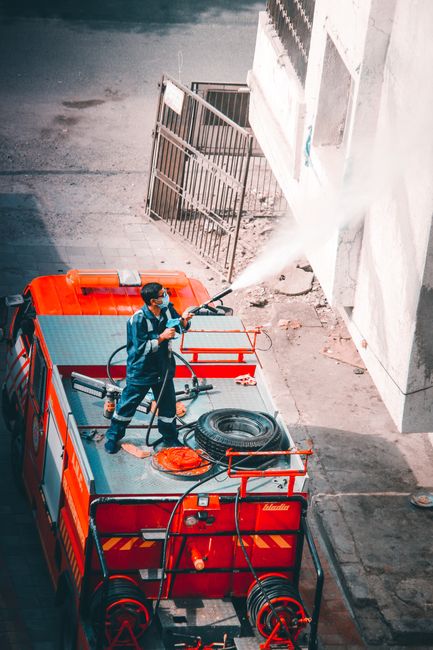
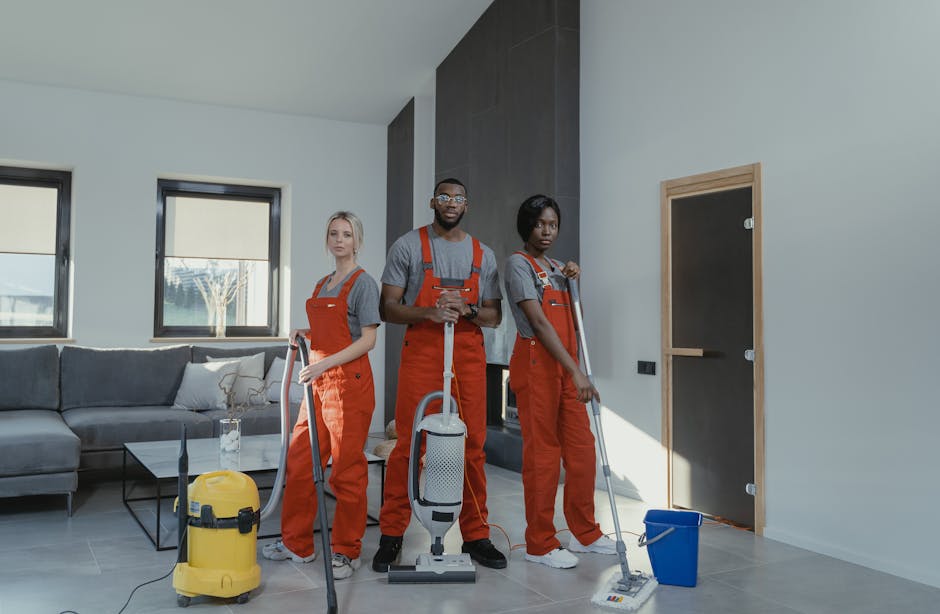
Same day emergency cleaning London fast response service
If something has gone wrong and the place needs sorting now, you do not need a lecture - you need a fast, calm response. That is exactly where a same day emergency cleaning London fast response service comes in. Whether it is a burst pipe, a smashed bottle across the kitchen floor, a late-night mess before guests arrive, or a property that suddenly needs to be made safe and presentable, speed matters. So does judgment. And to be fair, so does having someone who knows what they are walking into.
This guide explains what emergency cleaning actually covers, how a fast response service works, what to expect on the day, and how to decide which service type fits your situation. You will also find practical tips, common mistakes to avoid, and a checklist you can use in the middle of a stressful moment when the last thing you want is guesswork.
Table of Contents
- Why same day emergency cleaning matters
- How a fast response cleaning service works
- Key benefits and practical advantages
- Who needs this service and when it makes sense
- Step-by-step guidance
- Expert tips for better results
- Common mistakes to avoid
- Tools, resources and recommendations
- Law, compliance, standards and best practice
- Options, methods and comparison table
- Case study or real-world example
- Practical checklist
- Conclusion
- Frequently asked questions
Why Same day emergency cleaning London fast response service Matters
Emergencies do not wait for a convenient slot. They happen before a viewing, after a tenant moves out, just after a renovation, or at that awkward moment when family and colleagues are already on the way. In London especially, where homes and workplaces can be tight, busy, and shared, a small incident can quickly become a big one. A spilt drink on soft furnishings, a pet accident on a rug, or mud tracked through a hallway can spread further than you think.
The value of a same day emergency cleaning London fast response service is not just speed. It is control. It reduces the chance of stains setting, odours lingering, floors becoming slippery, or a problem escalating into something more disruptive. If water has been involved, a quick professional clean can also help limit secondary issues like damage to skirting, carpets, upholstery, or hard floors. Let's face it: once a mess has had a few hours to settle in, it becomes harder work.
There is also a reassurance factor. When someone turns up with the right kit, the right plan, and a steady head, the whole situation feels more manageable. That matters on a stressful Tuesday afternoon just as much as it does at 7am on a Saturday.
Expert summary: emergency cleaning is about reducing risk, restoring safe use of the space, and buying time before damage gets worse. The best response is fast, practical, and calm - not rushed and messy.
How Same day emergency cleaning London fast response service Works
Most fast-response cleaning jobs follow a simple pattern, even if the event itself is chaotic. First comes the call or enquiry. Then the cleaner or team gathers the basics: what happened, what surfaces are affected, whether the area is safe to enter, and how quickly access can be arranged. If the incident is more involved, they may ask for photos so they can prepare the right equipment before they arrive.
Once the job is accepted, the response team usually prioritises urgency, location, and the type of contamination or mess. A small spill in a flat is handled differently from a large office flood or a post-party clean across several rooms. The aim is to arrive with the correct cleaning approach, not just rush in with a mop and optimism. That would be heroic, but not very useful.
On arrival, the cleaner will normally assess the site, identify hazards, and decide what can be cleaned immediately and what needs a more careful treatment. For example, wet carpets may require extraction, extraction and drying support, while greasy kitchen surfaces need degreasing and sanitising. If the issue is broader, you may be steered towards a deep cleaning approach or a more targeted service such as one-off cleaning.
In some cases, emergency cleaning is just the first stage. You might need follow-up work later in the day or next morning. A burst pipe, for example, can leave behind damp residue, marks, and debris. A fast response gets the space under control. A second pass makes it properly presentable.
Key Benefits and Practical Advantages
The most obvious benefit is time saved. You do not have to spend your own evening scrubbing, moving furniture, or trying to work out which product will not damage the surface. That alone can be a relief. But there are several other practical advantages worth knowing.
- Less damage: acting quickly often reduces staining, odour absorption, and surface wear.
- Safer space: cleaning up broken glass, liquids, or grime helps lower slip and cut risks.
- Better first impression: useful before lettings viewings, handovers, or client visits.
- Less stress: a clear plan and a fast arrival can take the edge off a difficult day.
- More targeted cleaning: emergency work can focus on the problem area instead of over-cleaning the whole property.
There is also a commercial benefit for landlords, agents, office managers, and hospitality teams. A quick turnaround can make the difference between a property being usable the same day or being effectively out of action. For many people, that is not a luxury. It is the whole point.
If the emergency overlaps with a more specific job, it can help to combine services. For instance, a post-incident kitchen clean may include oven cleaning, while a wet lounge could need carpet cleaning or even upholstery cleaning. That joined-up approach is often faster and more cost-effective than piecemeal fixes.
Who This Is For and When It Makes Sense
This service is useful for anyone facing a sudden cleaning problem that cannot wait until tomorrow. That sounds broad, because it is broad. In real life, emergencies come in all shapes and sizes.
- Homeowners and tenants: after spills, pet accidents, broken items, overflowing bins, or unexpected guests.
- Landlords and letting agents: before new occupants move in or after an urgent inspection issue.
- Businesses: for reception areas, washrooms, staff kitchens, and client-facing spaces that need to look presentable fast.
- Builders and trades: where a site needs a rapid tidy before handover or the next phase.
- Event organisers: after last-minute mess, drink spills, or damage from heavy footfall.
It makes sense when the issue is urgent, visible, unpleasant, or risky. It may also make sense when you simply do not have the equipment, time, or physical ability to handle it safely yourself. Truth be told, some jobs are not about effort. They are about using the right process.
For example, a flooded hallway may need more than household towels. A post-renovation flat may need after builders cleaning. A rental property at the end of a tenancy may need end of tenancy cleaning. And if the issue is tied to a wider property refresh, a one-off cleaning visit can be the simplest route.
Step-by-Step Guidance
If you are dealing with a live incident, a simple sequence helps. It keeps the situation from spiralling. Here is a sensible way to approach it.
- Make the area safe. Keep people away from broken glass, standing water, strong odours, or anything slippery.
- Reduce the spread. If you can do so safely, close doors, lift valuables, and block access to nearby soft furnishings.
- Take a quick look at the damage. Note what materials are affected: carpet, tile, vinyl, wood, upholstery, or hard floor.
- Gather useful details. What happened, when, how big is the affected area, and is water or waste involved?
- Contact a fast-response cleaner. The clearer your description, the better the team can prepare.
- Ask what is included. Find out whether the job covers sanitising, stain work, deodorising, or removal of debris.
- Prepare access. Clear a path if possible, and make sure someone can let the team in.
- Plan for follow-up. If drying, deodorising, or specialist treatment may be needed, ask what happens next.
That last step gets overlooked a lot. People assume the first visit is the final one. Sometimes it is. Sometimes it is not. A good provider will explain the difference plainly.
A quick note on photos
If the company asks for photos, do not overthink it. A few clear images of the affected area can save time and prevent the wrong equipment being sent. It is not about perfection. It is about helping the team arrive ready.
Expert Tips for Better Results
Over the years, one thing becomes obvious: the best emergency cleans are often the ones where the customer acts early and keeps the information simple. A few practical tips make a real difference.
- Do not scrub aggressively. On carpets and upholstery, that can push the stain deeper or roughen the fibres.
- Avoid random chemicals. Mixing products is a bad idea, and sometimes a very bad idea.
- Blot liquids rather than rubbing. It sounds basic, but basic works.
- Keep the area ventilated. Open windows where safe to do so, especially after odours or moisture are involved.
- Tell the truth about the mess. If it is worse than you first thought, say so. Nobody is helped by underselling the issue.
Another useful tip: be clear about priorities. If the main concern is hygiene, say that. If it is presentation before a viewing, say that. If it is a safety hazard, say that first. Fast-response teams can then focus effort where it matters most.
And if the problem is spread across several surfaces, choose the most relevant specialist route instead of expecting one product to fix everything. For instance, grubby floors may need hard floor cleaning, a stained lounge might need rug cleaning, and a glass-heavy entrance may need window cleaning as part of the wider job.
Common Mistakes to Avoid
Emergency situations make people improvise. Fair enough. But a few habits tend to create more work later.
- Waiting too long. The longer a spill, smell, or stain sits, the harder it is to treat properly.
- Using the wrong product. Bleach on the wrong surface or a strong degreaser on delicate materials can cause lasting damage.
- Ignoring hidden areas. A visible spill may have spread under furniture or along edges. That is where issues quietly linger.
- Not mentioning pets, smoke, or moisture. These details matter because they affect cleaning methods and drying needs.
- Assuming all cleaners are the same. Not every service is set up for urgent response, and not every team has the tools for specialist work.
One more thing. Do not spend half an hour trying to perfect the space before asking for help. A little tidying is fine. But if you are late, stressed, or looking at a mess you cannot safely handle, call sooner rather than later. There is no prize for suffering through it alone.
Tools, Resources and Recommendations
You do not need a warehouse of equipment to get through the first ten minutes of a cleaning emergency. A few sensible basics help.
- Disposable gloves
- Microfibre cloths or clean towels
- Basic absorbent paper
- Bin bags for waste containment
- A torch for checking under furniture or into corners
- Access to ventilation, if appropriate
For more substantial work, a professional team may use extraction tools, specialist detergents, disinfecting products, floor care equipment, and drying support. The exact method depends on the surface and the contamination. A kitchen spill is not treated like a wet hallway, and neither should be treated like a routine dusting job.
If you are comparing broader service options, it can help to review related pages such as deep cleaning, domestic cleaning, or office cleaning. These are useful when the emergency is part of a bigger clean rather than a single incident.
It is also sensible to check practical business details in advance. A provider's pricing and quotes approach, payment and security handling, and insurance and safety information all matter when you are booking in a hurry. Not glamorous, perhaps, but very relevant.
Law, Compliance, Standards and Best Practice
For most customers, the biggest concern is practical rather than legal. Still, some common-sense compliance points are worth keeping in mind, especially in homes, rented properties, and commercial spaces.
Safe working matters. If a cleaner is dealing with broken glass, bodily fluids, waste, or heavy contamination, there should be proper handling procedures, protective equipment, and a sensible approach to disposal. For workplaces, that sits alongside normal health and safety duties and site access expectations. For landlords and agents, the aim is usually to restore a property in a fit condition without causing further damage or breaching tenancy obligations. The exact duties vary, so it is always best to work from the relevant contract, property terms, and practical risk level.
Professional standards also matter. A trustworthy provider should communicate clearly, avoid unrealistic promises, and be upfront if a stain or smell may not be fully removable on the first visit. That honesty is a good sign. Overpromising is not.
If your emergency involves waste, clearance, or bulky discarded items, a broader service such as house clearance may be more appropriate. If the incident happened after external work, you may also need recycling and sustainability practices to be considered, especially where rubbish, packaging, or renovation debris is involved.
Finally, if you are booking for a commercial site, ask about site access, any building rules, and whether the cleaner has public liability cover. That is not being difficult. It is just good sense.
Options, Methods and Comparison Table
Emergency cleaning is not one single thing. The right method depends on the scale of the mess, the surface, and how quickly you need the area back in use.
| Approach | Best for | Strengths | Limitations |
|---|---|---|---|
| Spot clean | Small spills, isolated marks, quick surface tidy-up | Fast, low disruption, useful for minor incidents | Not suitable for embedded stains or widespread mess |
| Targeted emergency clean | Single room incidents, kitchen accidents, entrance spills | Focused, practical, usually the best value for urgent jobs | May not address broader dirt elsewhere |
| Deep clean | Mess that has spread, grime build-up, post-incident reset | More thorough, better for lingering residue and odour | Usually takes longer and may cost more |
| Specialist surface clean | Carpets, rugs, upholstery, floors, glass, ovens | Uses the right technique for the material | May need more than one specialist if several surfaces are affected |
In plain terms: if the issue is small and fresh, a targeted response is often enough. If it has soaked in, spread out, or made the room feel unpleasant to use, you are probably moving into deeper treatment territory. Simple as that.
Case Study or Real-World Example
Here is a realistic example. A small office in central London has a client meeting at 2pm. At 10:30am, a drink is knocked over in reception and spreads across the floor edge and onto part of a rug. Staff mop the surface quickly, but the rug still feels damp and the entrance smells faintly sugary and warm - not the kind of welcome anyone wants.
A same day emergency cleaning London fast response service would typically start by checking the material, the extent of the spill, and whether the rug can be treated on site. If the area is safe, the cleaner would target residue, lift moisture where possible, and apply the correct treatment for the fibres. The reception floor might be handled at the same time, while the rug receives a more careful pass.
If the spill had also hit nearby fabric chairs, upholstery cleaning could be added to the plan. If the reception had glass doors or panels with fingerprints and splash marks, a tidy window cleaning visit might be sensible too. The key is not to overcomplicate the response, but to build a sensible sequence that gets the room back to normal without wasting anyone's day.
By lunchtime, the team would ideally have a cleaner-looking, safer, more professional reception. That is the whole game: restoring normality before the problem becomes the story.
Practical Checklist
Use this checklist when you need to act fast. It keeps things simple.
- Identify the problem and stop people from walking into it.
- Check for immediate hazards like glass, moisture, odour, or unstable items.
- Take a quick photo or two if it helps explain the issue.
- Note the main surfaces involved: carpet, rug, tile, wood, upholstery, glass, or oven area.
- Decide whether the job is a spot clean, emergency clean, or deeper reset.
- Contact a fast-response team and explain the problem clearly.
- Ask what is included and whether specialist equipment is needed.
- Prepare access and clear a path where possible.
- Confirm any follow-up work, drying time, or aftercare advice.
- Keep the area ventilated and monitored until the cleaning is complete.
If you are still unsure, that is okay. Sometimes the best move is simply to describe the situation clearly and let the professionals help you sort the priority. No drama, no panic. Just a sensible next step.
Get a free quote today and see how much you can save.
Conclusion
A same day emergency cleaning London fast response service is about more than speed. It is about restoring safety, reducing damage, and getting your space back under control before a small problem becomes a much bigger one. The best outcomes usually come from quick action, clear communication, and choosing the right type of clean for the surface and situation.
If you remember only one thing, make it this: act early, explain the issue plainly, and do not guess your way through a messy situation. Whether you are dealing with a home spill, a workplace incident, or an urgent property reset, a calm and capable response makes all the difference. And once the dust settles - quite literally, sometimes - it feels good to breathe again.
Ready when you are, and hopefully with a lot less stress than you started with.
Frequently Asked Questions
What counts as a same day emergency cleaning job in London?
It usually means an urgent cleaning need that cannot wait until the next scheduled visit. That might be a spill, flood-related mess, unexpected odour, last-minute presentation issue, or contamination that affects safety or usability.
How fast can a fast response cleaning service arrive?
It depends on location, traffic, workload, and the type of job. In a city like London, response time can vary a lot. The key is to give accurate details so the team can judge what is realistic.
Can emergency cleaners deal with water damage?
They can often help with the cleaning side of water-related incidents, such as removing residue, managing surface contamination, and helping the area become safe again. Severe water damage may also require drying or specialist repair support.
Is emergency cleaning the same as deep cleaning?
Not quite. Emergency cleaning is about urgent response and immediate control. Deep cleaning is more thorough and usually takes longer. Sometimes a fast-response visit is followed by a deeper clean later.
What should I do before the cleaner arrives?
Make the area safe if you can, keep people away from hazards, and gather a few basic details about what happened. If it is safe, a quick photo can help too.
Will emergency cleaning remove all stains?
Not always. Some marks respond very well, especially if treated quickly. Others may be permanent or only partly improved. A good cleaner should explain that honestly rather than making promises they cannot keep.
Do I need emergency cleaning for a small spill?
If the spill is small and easy to manage, maybe not. But if it has soaked into fabric, smells strong, involves broken glass, or affects a busy area, getting help sooner can be the better choice.
Is it worth booking a specialist service for carpets or upholstery?
Yes, if those materials are involved. Carpets, rugs, and upholstery often need different tools and methods from hard floors or general surface cleaning. Using the right service usually gives a better result.
Can emergency cleaners help businesses as well as homes?
Absolutely. Offices, shops, reception areas, and other workplaces often need fast cleaning to stay usable and presentable. That is one of the most common use cases, to be fair.
What should I ask before confirming a booking?
Ask what is included, how quickly they can attend, whether they bring specialist equipment, and whether any follow-up work might be needed. It is also sensible to ask about pricing, safety, and insurance.
How do I know if I need one-off cleaning instead?
If the issue is messy but not truly urgent, or if the space just needs a broad reset rather than immediate attendance, one-off cleaning may suit you better. The difference is often about timing and urgency.
Can I combine emergency cleaning with other services?
Yes, and sometimes that is the smartest route. For example, a kitchen incident might need oven cleaning, while a wider refresh could include window cleaning or domestic cleaning.
What if the mess is linked to builders or renovation work?
Then you may need after builders cleaning rather than a standard emergency clean, especially if dust, plaster, or debris is involved. That is a common mix-up.
How can I get the best value from a fast-response visit?
Be clear about the problem, prepare access, choose the right service type, and avoid unnecessary back-and-forth. The more accurate the brief, the more efficiently the work can be done.
What if I also need to discuss payment or next steps?
Check the provider's payment and security information and their terms and conditions so you know what to expect before booking. A little clarity upfront saves awkwardness later.